Don’t confuse “No Rules” with “More Jobs”

By Jason Hoover
March 9, 2026

I want to follow up on last week's land use discussion about data center regulation, especially in light of concerns raised by some in organized labor.

First, I want to acknowledge something important: the concern about losing jobs is real. When an industry says regulation will scare away investment, that triggers understandable anxiety. No one wants to risk employment opportunities.

But we've heard this argument before.

Walter Reuther, the legendary president of the United Auto Workers, faced this exact debate during the fight over the 1970 Clean Air Act amendments. The auto industry warned that strict emissions standards would be too costly, technically infeasible, and disastrous for jobs. Reuther broke ranks with corporate leadership and supported strong environmental protections. He argued that clean air and good jobs were not mutually exclusive. He believed American engineering could meet higher standards. He believed workers and their families deserved both economic security and public health.

History proved him right.

When pollution controls were required at power plants, industry groups predicted skyrocketing electricity prices, plant closures, blackouts, and mass layoffs. None of those doomsday scenarios materialized. Adjusted for inflation, electricity prices did not explode. What did happen was innovation. Workers installed scrubbers. Engineers improved systems. Environmental damage declined. Children got healthier. Communities benefited.

Regulation did not kill jobs. It created new ones and protected families at the same time.

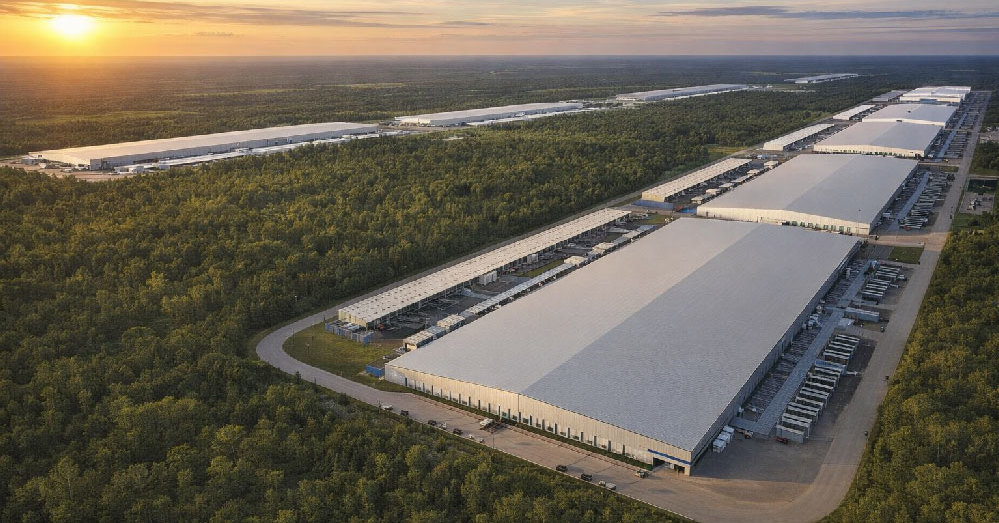
That brings us to data centers.

By not regulating, we are not decreasing costs.

We are shifting costs from the corporation to the public.

These facilities create real impacts: infrastructure strain, power demand, water usage, diesel storage, noise, land use changes. Those costs exist whether we acknowledge them or not. If companies are not required to internalize them up front, they show up later in public budgets, in degraded services, or in higher taxes.

Yes, data centers bring tax revenue. But if those tax dollars are used to cover the impacts they create, that is not a windfall. That is the public subsidizing corporate overhead.

Data centers are coming to Delaware whether we regulate them or not, because the economics work. Our location and tax structure make us extremely attractive. The question is not whether they will profit. They will. The question is whether we negotiate from a position of strength and require them to pay their own way.

Common sense guardrails do not drive away profitable industries. They clarify expectations. They protect residents. They align incentives.

And historically, higher standards often mean more work for skilled labor, not less. When environmental standards rose, union workers were needed to install and maintain the new systems. Strong standards drive infrastructure upgrades and technological improvements.

The sky did not fall when we protected our lakes and forests. It did not fall when we cleaned up smokestacks. It will not fall if we require hyper data centers to cover their true costs.


This is not anti-growth. It is not anti-labor. It ‘s about refusing a bad deal.

If a project only works when the public absorbs its costs, then it was never a good deal to begin with. We can welcome investment and still demand accountability. In fact, that is the only responsible way to govern.


Recent Perspectives

Jan 30th, 2026

Am I pro or anti data center?

Data centers are essential to modern life, but their scale brings real costs. This explains how data centers impact Delaware and why fair rules matter.
Jan 17th, 2026

Delaware's $10M Affordable Housing Grant Won't Fix the Real Problem

Delaware's $10 million affordable housing grant will help families, but it won't fix why housing is expensive. The real issue is how development costs are shift...
Jan 17th, 2026

Why Developers Wouldn't Build Sprawl If They Paid the True Cost

If developers had to pay for roads, pipes, and services, they'd build dense, walkable neighborhoods. Sprawl only works because the costs are shifted to everyone...

Keep up with Jason’s Campaign